

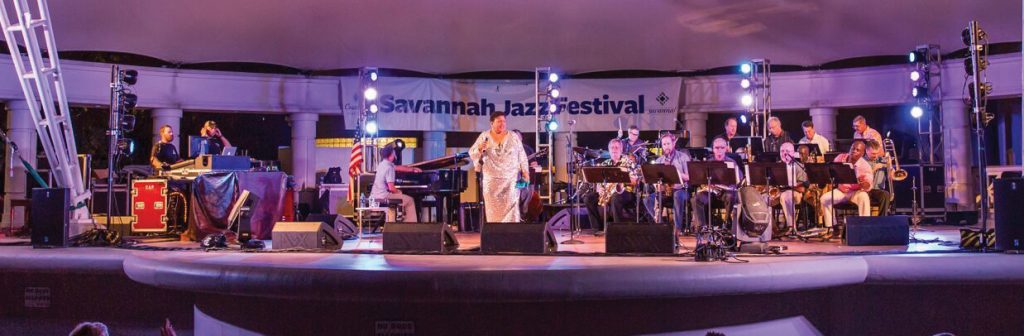
After a scaled-back showing last year, Savannah Jazz Festival returns to Forsyth Park with a big lineup for a big anniversary
Photography courtesy of SAVANNAH JAZZ FESTIVAL
SAVANNAH JAZZ FESTIVAL has always been bigger than the beats that boom from Forsyth Park each fall.
As the region’s largest free music festival, the annual gathering of world-class jazz vocalists and musicians is just as much a celebration of community. The festival’s organizers say the spirit of community will be more resonant than ever as the event returns for a weekend of free, live performances at Forsyth Park this September 23–26, marking the occasion of its 40th anniversary.
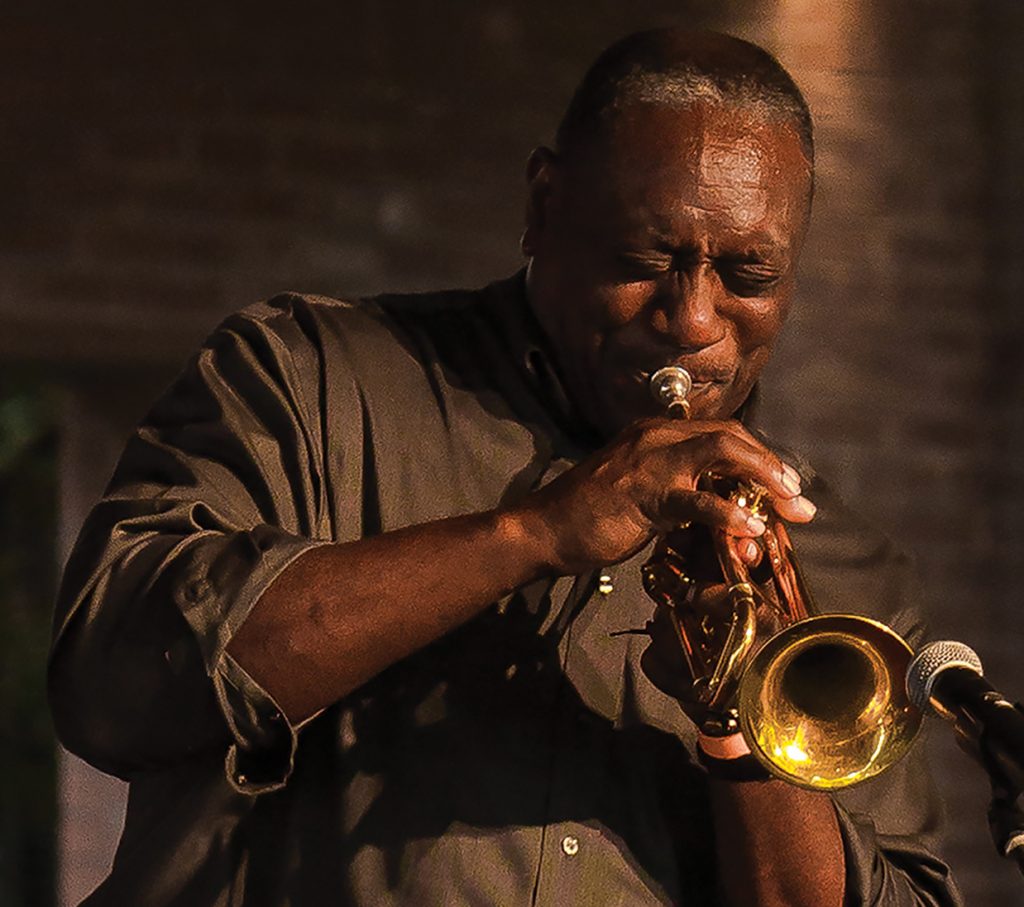
“The power of music — particularly jazz, which brings people together and lifts people’s spirits — can’t be understated,” says Paula Fogarty, the festival’s interim executive director. “After the year we’ve all had, coming together and uniting as a community in music will be so important. It’s not just a music festival; it’s a mental health festival.”
This year’s lineup will feature hometown talent, Grammy award-winning regional performers and international jazz stars alike, with live music performances kicking off Friday, Sept. 24, for Blues Night. Serbian-born blues vocalist Ana Popovic will headline the night, marking her debut performance at the festival. “Blues is one of the parents of jazz, so we always like to pay tribute and open the festival with Blues Night,” says Fogarty, who points to ragtime as jazz’s other parent.
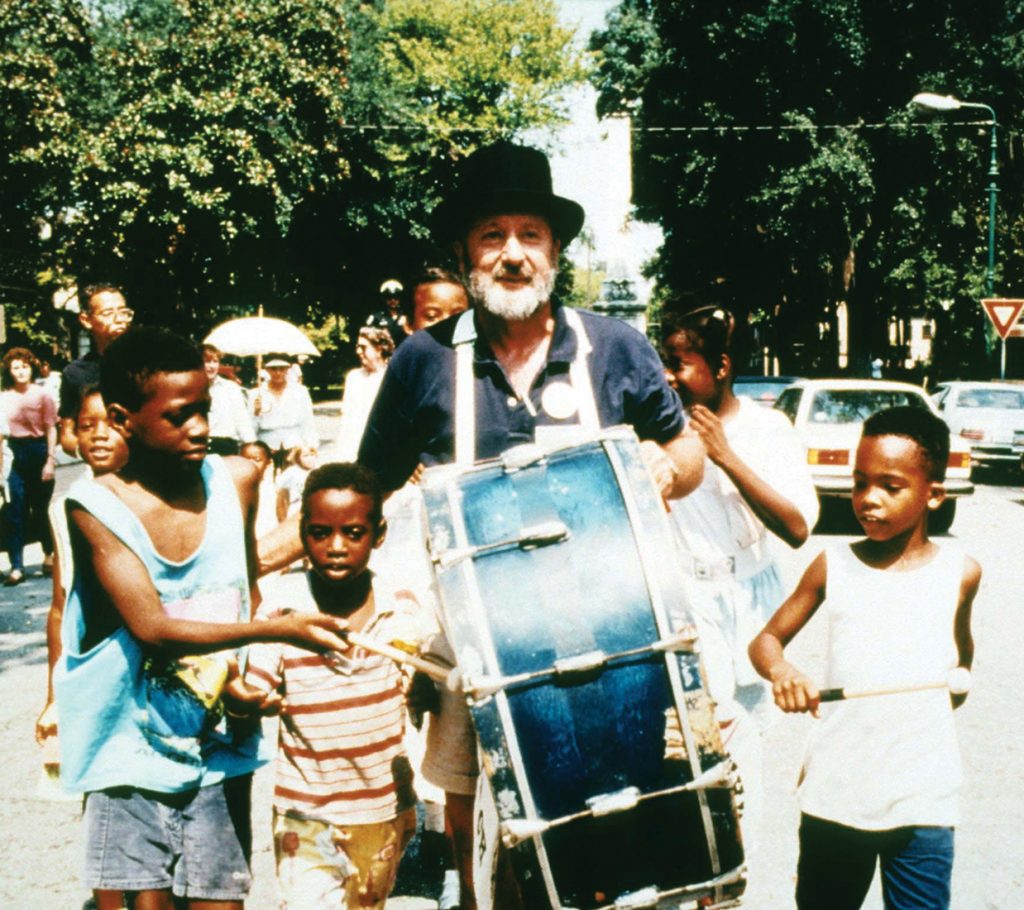
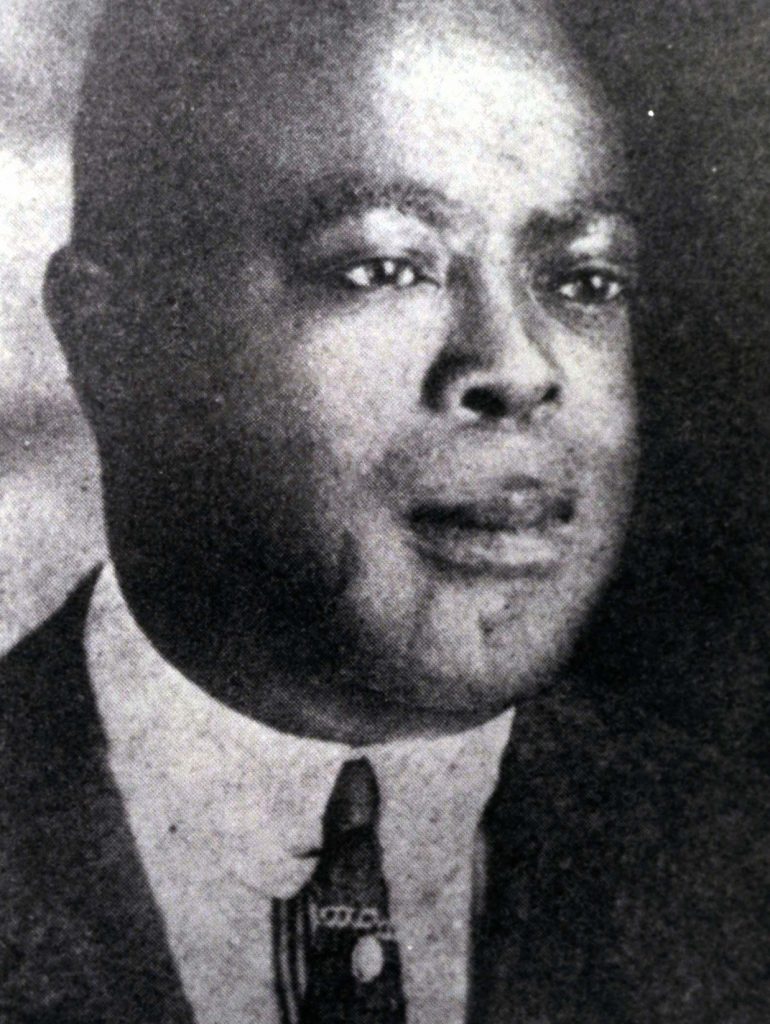
Other highlights from the weekend include a Saturday set by the U.S. Navy Band Commodores, an 18-piece band with a 50-year history of performing for major state functions, as well as headliners The Savannah Divas, a group of female vocalists who will be backed by the Savannah Jazz Orchestra.
On Sunday, saxophone and flute musician Don Braden returns to the festival with a performance of soul and swing. Braden will likely be a familiar face to festival-goers, having previously performed with jazz greats including Wynton Marsalis and Betty Carter. Ranky Tanky, a Grammy award-winning quintet based in Charleston, South Carolina, closes out the weekend of music. The group is beloved for its music inspired by and born from the Gullah culture, making them an especially meaningful addition to this year’s lineup. After all, according to jazz historian, educator and trombonist Teddy Adams, Gullah and Geechee influences give Savannah jazz its distinctive sound.
“[Adams] describes the Savannah sound as rooted in Gullah Geechee culture, whereas New Orleans jazz is more inspired by Creole and European influence” — Paula Fogarty
“[Adams] describes the Savannah sound as rooted in Gullah Geechee culture, whereas New Orleans jazz is more inspired by Creole and European influence,” Fogarty says. “It’s wonderful to be able to pay tribute to our Gullah Geechee roots in Savannah with Ranky Tanky, and we’re excited to end the festival on such a high note.”
To mark its 40th anniversary, Savannah Jazz has also announced a forthcoming exhibition, slated to launch next year. The Savannah Jazz History Exhibit, on display at the Savannah History Museum, hopes to capture the city’s role in the music genre through the stories of its performers (including Johnny Mercer and Joe “King” Oliver), composers, venues and more. The show will feature artifacts such as Ben Tucker’s historic bass violin, Johnny Mercer’s 1961 Best Original Song Academy Award for “Moon River” and photos and posters from Savannah Jazz Festivals past and other well-known concerts.
“The rich history of jazz in Savannah is really under the radar,” Fogarty says, noting the iconic Tybee Island dance hall, Tybrisa Pavilion, and the fact that legends like Ella Fitzgerald came to play in Savannah. “We’re thrilled longtime and new fans of jazz will finally be able to see this history up close.”

