




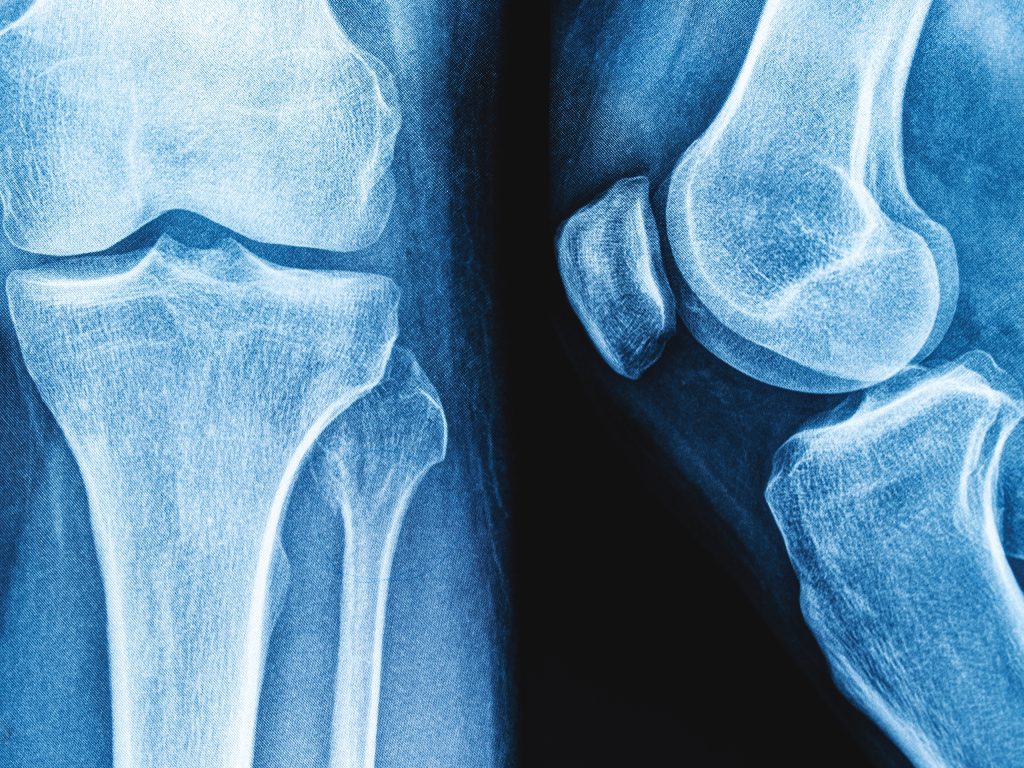
It’s never too early — or late — to see an orthopedic specialist to talk about boosting and maintaining bone health.
Written by Riley Heath
It was long believed that peak bone mass — reached in the early 20s in both men and women — would hold well into one’s 50s. But new research is suggesting that plateau may be far shorter, with bone mass declining as early as the mid-to-late 20s. “The human body is constantly losing a little bit of bone mass every year we age,” says Dr. Michael Wolverton, an orthopedic surgeon at Chatham Orthopaedic Associates.
While many don’t actively consider bone breakdown, Wolverton suggests it’s possible to avoid or postpone arthritis, fractures, osteoporosis, and joint replacements by shifting habits and seeing a provider as early as possible. “There are ways we can combat that, and though in some cases it can’t completely eliminate the need for surgery, implementing these techniques early can really reduce the amount of people that do,” he says.
Joint Venture
In May, the Bone Health Clinic at Chatham Orthopaedic Associates opened. It’s where patients can have their current bone density assessed and be connected with resources to improve or maintain their results.
DEXA scans, also referred to as a bone-density test, visualize bone structure to help providers determine a comprehensive care plan, which may include supplements, exercise, and other lifestyle changes. While this scan is typically not covered by insurance for patients younger than 65, experts argue bone health should be assessed far earlier.
“The whole philosophy is to set patients up with less risk in their futures — especially the older folks,” says Dr. Mark Jenkins, an orthopedic surgeon at Chatham Orthopaedic Associates. “We’ve got it all there for them.” The clinic uses the full spectrum of orthopedic medicine to make bone preservation an achievable lifestyle.
“I hope people show up,” Jenkins says. “If taken seriously, the clinic can make it so we never have to see these people in our surgical rooms down the line.”
Kneed Another Way
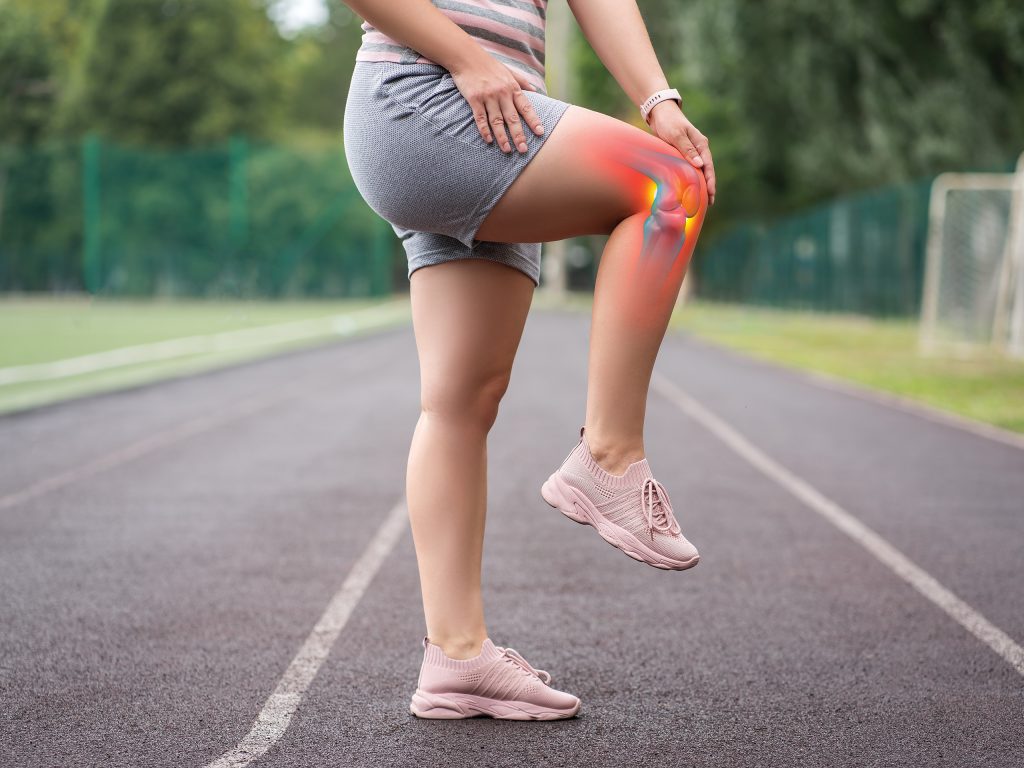
In some cases, pain develops beyond what general maintenance and preventative strategies can reverse. Fortunately, there are several minimally invasive options available before considering surgery. “There are injections, whether it be the platelet-rich plasma (PRP), injectables or gels (hyaluronic acid), or corticosteroids,” says Dr. M. Gage “Trey” Ochsner III, an orthopedic surgeon at Chatham Orthopaedic Associates.
Here, each route serves a unique function. Where PRP uses a patient’s own stem cells and peptides to stimulate tissue repair and long-term healing, the less organic corticosteroids are lab-made and provide rapid, short-term relief to pain and swelling. “There are also cleanups, but you have to be very selective with those,” Ochsner says, referring to the surgical trimming of damaged tissue, which easily can be overdone.
“Minimally invasive options haven’t eliminated surgeries but severely reduced the amount coming my way,” says Wolverton. Recently, these alternative therapies have proven to be nearly as effective as joint replacement procedures.
“Orthopedic injuries are a spectrum, and in some cases, these alternate options can be a solution,” says Dr. Amir Shahien, an orthopedic surgeon and sports medicine specialist at Optim Orthopedics. “Less-invasive options are absolutely advancing, but prevention is always the best pursuit.”
Bone to Pick
Orthopedics has come a long way, but like many areas of medicine, women’s health remains an area where the field is still finding its footing. “Just look up ‘50-year-old frozen shoulder,’” Jenkins says. “We’re learning more, but the truth is women’s health has simply been ignored.” The links to frozen shoulder and hormonal changes in perimenopause and menopause are strong.
Physically active women may experience what’s known as the “female athlete triad.” The first pillar centers on energy: For many active women, caloric intake simply doesn’t match what they’re burning. This deficit then cascades into the other two pillars: menstrual health and bone health. The body rations what little it has, and as a result, bones begin to deteriorate. “Too much cortisol from physical stress will prevent estrogen production,” Wolverton says. Elevated cortisol also disrupts estrogen receptor beta — a key regulator of energy metabolism, muscle mass, and mitochondrial function. When those receptors are compromised, the structural integrity of bones is lost, and the consequences can be catastrophic.
“These threats are just not talked about enough in our increasingly active society,” Wolverton says. “I want all women to know — and not just those experiencing menopause — that estrogen issues can lead to early onset osteoporosis. Orthopedists can help with that.”
The Marrow of Life
Being proactive about our bones is ultimately about preserving long-term, overall health. It’s far easier for orthopedists to treat a patient seeking prevention than to continue treating what’s long been broken. “The more fragility fractures we can prevent through maintaining pliability, training exercises, and good nutrition, the better,” Shahien says. “We orthopedists are trying to stop you from getting to that compromised spot in the first place.”
“We see a lot of people who’ve been working hard and having full lives and, upon retiring, now have the freedom to be more active,” Ochsner says. “They typically dive in too fast, end up in pain, or end up broken without our oversight. We can help prevent that from ever happening.”
Even if the result is a simple recommendation to supplement your vitamin D with K3, it’s worth seeing an orthopedist to assess your current situation. With good bones, you possess the key to unlocking your strongest, most active self — not just now, but for a lifetime.