



Sponsored content presented by Renewal by Andersen
Homeowners can keep the historic charm of classic Southern homes while adding modern upgrades that boost energy efficiency and comfort.
Georgia’s classic Southern architecture is beautiful, from deep wraparound porches to the elegance of tall, historic windows. However, these charming features can contribute to high summer cooling bills and drafty winter evenings. Fortunately, homeowners do not have to choose between preserving historic character and enjoying modern, energy-efficient comfort. Here are design trends that prove these goals are not only compatible but can actually enhance one another.
Upgrading the Building Envelope
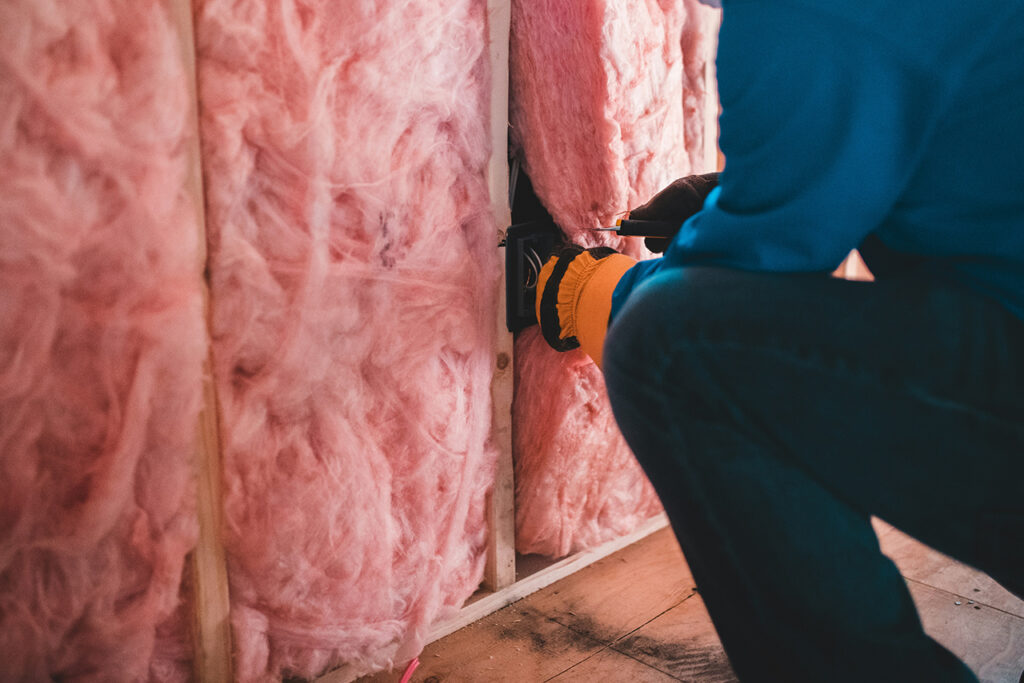
The building envelope is the barrier between the home’s conditioned interior and the unconditioned outdoors. The goal is to make it airtight to stop leaks and well-insulated to slow heat transfer. In historic renovations, this involves adding modern insulation like spray foam in walls, attics and crawl spaces. The added insulation helps maintain a stable interior temperature and reduces reliance on HVAC systems.
Applying Passive Solar Principles
Georgia’s climate features intense, high-angled sun in the summer and low-angled sun in the winter. Passive design strategically manages this free energy. A classic deep porch on a south-facing wall is a great example. Its overhang is engineered to completely shade the windows from July’s high sun and prevent solar gain. In January, sunlight can stream in under the overhang, passively warming the home’s interior.
Installing “Cool Roof” Systems
“Cool roof” systems are a modern take on the durable metal roofs of historic farmhouses. It involves using roofing materials that reflect sunlight and absorb less heat, like standing-seam metal roofs in lighter colors or specially coated architectural shingles. These features drastically lower attic temperatures and the demand for air conditioning.

Creating “Living” Insulation
A visually striking trend is the use of living walls or green facades. Aside from blocking solar radiation from hitting the home’s surface, a wall covered in greenery also offers insulation through evapotranspiration. This natural process of water evaporating from leaves cools the surrounding air. Low-maintenance, climbing plants like creeping fig and Carolina jessamine work best for this design.
Engineering Natural and Hybrid Ventilation
Historic dogtrot and shotgun houses were designed to encourage airflow and passive cooling before the age of air conditioning. Designers are reviving these concepts and pairing them with modern technology. Some do it with an energy-recovery ventilator. In a humid Georgia summer, this system cleverly transfers heat and moisture from the incoming fresh air to the outgoing stale air. As a result, the AC does not have to work as hard to cool and dehumidify the new air.
Key Upgrades for Your Modern-Classic Home
These features can enhance your home’s historic Southern charm with next-level energy efficiency.
Energy-Efficient Windows: Many designers favor windows with a low-E coating for their energy efficiency. While this layer is microscopically thin, it can reduce the amount of heat passing through the glass without noticeably reducing visible light. Ensuring proper window installation is another key factor. Even the best window will underperform if it is not installed and sealed correctly. Experts can ensure there are no air leaks around the frame, maximizing the replacement window’s efficiency.
from Renewal by Andersen.
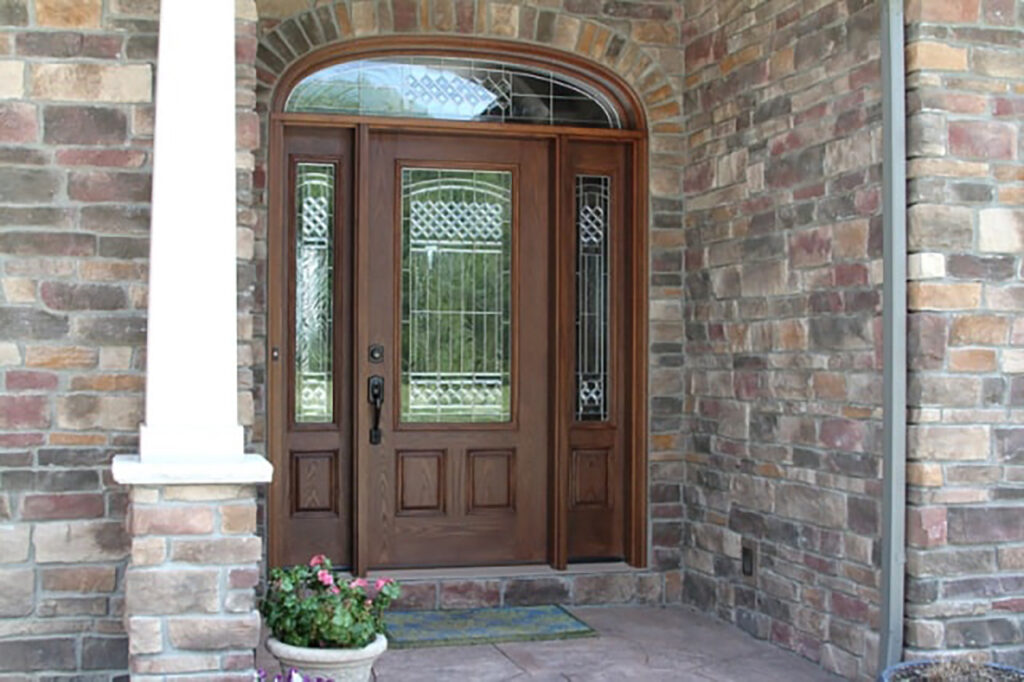
High-Performance Doors: An old, warped or poorly sealed door is a significant source of energy loss, allowing drafts in and causing HVAC systems to work overtime. A modern, high-performance door is engineered to stop this loss. It features a dense, insulated core that prevents heat transfer and advanced weatherstripping that creates an airtight seal. For homeowners in Georgia looking to buy the best energy-efficient doors, Renewal by Andersen is a great option. It specializes in high-performance replacements designed to provide long-term savings by locking in conditioned air and keeping drafts out. It offers custom-built doors in various styles, materials and hardware to complement a home’s architecture.
Advanced Insulation: Window frame insulation works 24/7 to slow the transfer of heat, keeping homes warmer in winter and cooler in summer. The R-value is a grade for its performance. The higher the R-value, the better the insulation. The ideal grade also depends on the climate and location. Georgia has several climate zones, each with unique insulation requirements. For example, cooler mountain regions have higher recommended R-values than hotter, more humid coastal areas. Using modern insulation materials can help homeowners meet their location’s ideal value.
Frequently Asked Questions
Here are the answers to common questions about energy-efficient upgrades.
How much more efficient are homes with energy-efficient upgrades?
ENERGY STAR-certified homes are at least 10% more efficient than those that are just built to code. While the individual results vary, the cumulative impact is significant. A whole-home approach yields the best results.
What is the best time of year to replace windows and doors in Georgia?
While professionals can do the job any time of the year, the milder temperatures of spring and autumn are ideal. They put less strain on your HVAC system during the installation and make for a more comfortable process overall.
Will replacement windows and doors hurt your home’s historic value?
When you select high-quality replacements in styles that match your home’s original structure, you actually enhance its value. You gain modern comfort and lower bills while preserving the property’s character, which is a major selling point.
Creating a Smarter Southern Home
Respect the past while building for the future. Blending historic charm with modern efficiency is the new standard for intelligent Southern living. Adopt design trends that work with nature and make strategic upgrades that seal and enhance your space. With these thoughtful choices, you can have a beautifully preserved historic home that is kinder to your wallet and the environment.

