




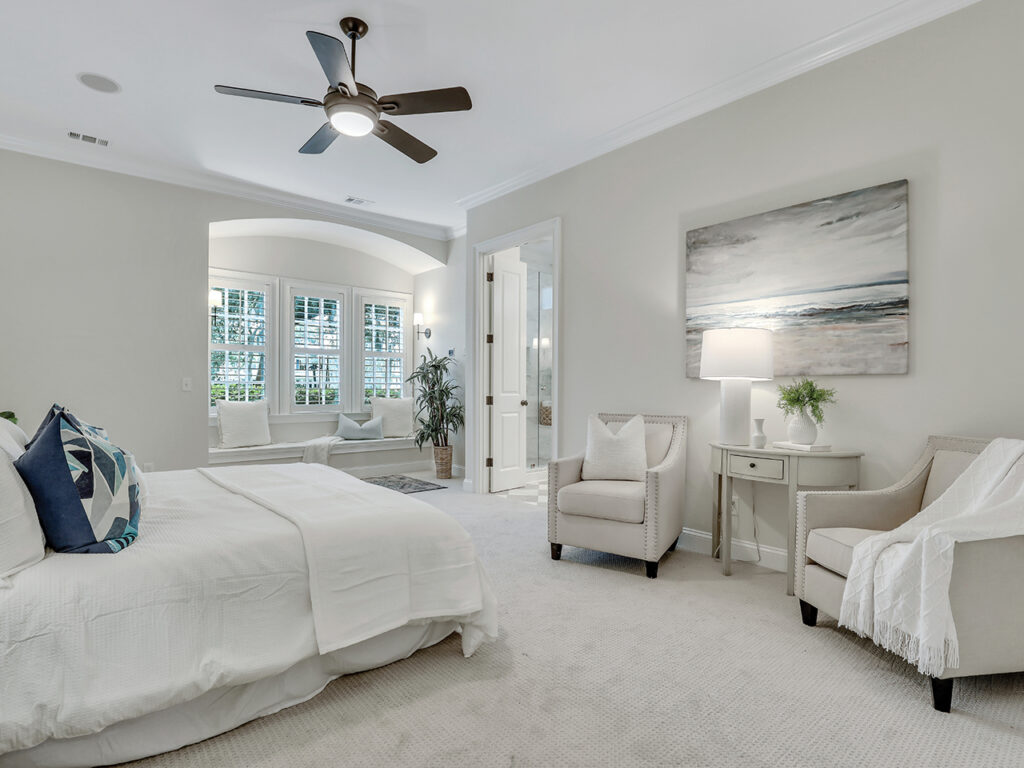
Using this marketing strategy can be the difference between a quick, lucrative sale and a stagnant listing.
Written by LEANNA WOODWARD
HOME STAGING IS THE STRATEGY of preparing a home for sale, but it’s not just about cleaning and decluttering, though those are essential. The goal is to create an inviting, neutral space that will appeal to a broad range of potential buyers. Whether it’s for a historic downtown duplex or a house on the marsh, home staging can be the difference between a quick, lucrative sale and a stagnant listing.
“We try to let the property create the tone. We consider the neighborhood, the price point, the natural light,” says Stephanie Kisgen, owner of Coastal Staging and Design Co., which won Best Staging Company in Savannah HOMES Best of HOMES 2025. “We ask the seller to trust our experience and expertise. It is important to consider the skill set of your home stager.” She notes, “A staged property is not likely going to be how you would live in your home. It’s a more simplified approach, creating a purpose and spatial awareness for primary spaces of the home.”

Empty rooms can feel cold, making it difficult for buyers to envision the layout or potential of the space. On the flip side, overly personalized spaces filled with family photos and bold decor can make buyers feel like they’re intruding on someone else’s life. Staging strikes a balance, showing how rooms can function while still providing room for imagination. Realtor Kati Ann Wright of Realty One Group adds, “Professionally staged homes not only photograph beautifully, they evoke a sense of elegance and possibility.”
Best of HOMES 2025 runner-up and CEO/founder of Staging-By Design, Deborah Brown-Pullin, says that “staging is not just about making a home pretty. It’s about helping buyers envision themselves living there so they connect emotionally. For the sellers, it’s about spending fewer days on the market.”
Power Moves
According to Brown-Pullin, several staging choices can make or break a sale. First impressions matter, so curb appeal is key. The home’s exterior should feel clean, vibrant, and welcoming. Inside, aim for a neutral canvas. Brown-Pullin says that when she is staging a home, “everything is chosen with intention, from the scale of the furniture to the artwork and accessories.”
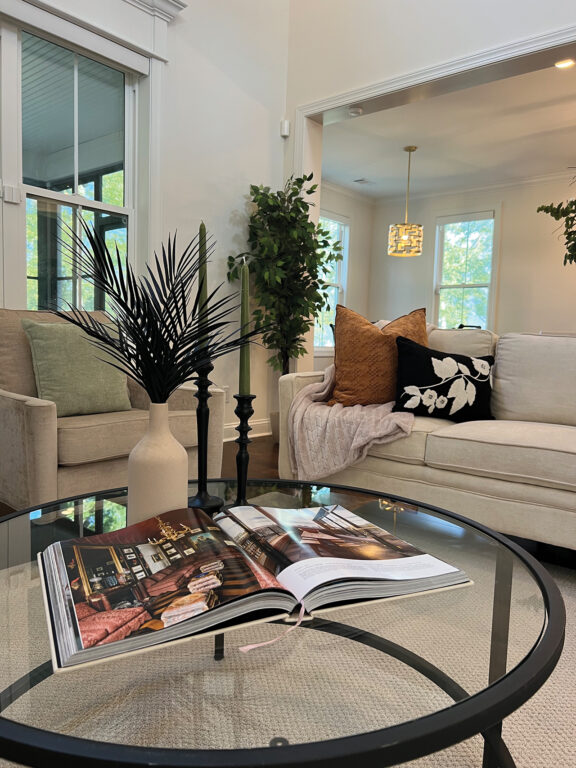
Accessories and details create the tone and feel of the property, says Kisgen. “The same sofa accented differently can create a new unique space every time.” She uses art, lamps, pillows, and accent pieces “to create the style pops. Again, here we consider the price point, neighborhood and target audiences.”
Lynn Rahn, co-founder and owner of Clutter Consignments, alongside her daughter, Brooke Rahn Thomas, suggests thoroughly editing your home before listing it — especially if you are still living in the home while it’s being sold. (Bonus: You get a head start on packing.)
Remove clutter such as pet gear, kids’ toys, and shoes; and make surfaces like tables and countertops as sleek as possible, clearing away collectibles or gadgets. Also, remove personal decor like family portraits, wedding pictures, and diplomas, as well as highly specific items like sports memorabilia or religious items.
Wright identifies the living room, kitchen, and primary bedroom as the “power three.” If you’re working with a tight budget, focus your efforts there. Rahn agrees, but suggests small, thoughtful, touches can also work magic. Think a throw pillow on a chair, a plant in the bathroom, or a candle on an entryway table.
Style That Sells
Home staging is an investment, but one that tends to pay off. The Real Estate Staging Association reports that 73% of staged homes sell faster than those that are vacant or occupied but unstaged. “Staging is not decorating,” says Brown-Pullin. “It’s a strategy.”
While not guaranteed, staging can increase both interest in and perceived value of a home.
“I’ve seen homes that were staged receive better offers compared to similar homes that weren’t,” says Wright. Importantly, staging doesn’t have to be extravagant to be effective. “Even small improvements can lead to big returns,” she says.
Start Early
When should you start? As early as possible. Wright recommends beginning the process as soon as you start prepping to list. “Staging should be woven into the pre-listing strategy to ensure the home is presented with intention from day one.”
Brown-Pullin suggests lining up a staging company at least two to three weeks before photos will be taken for a listing.
Staging is about storytelling, showing potential buyers not just what a house is, but what it could be. “Nothing is random; every piece is part of a bigger picture,” says Brown-Pullin.
With thoughtful staging, every room becomes a page in that story. So whether you’re going with a professional team or simply adding a few strategic touches yourself, staging can dramatically impact how quickly and how successfully your home sells.
Home Staging Dos And Don’ts
Stephanie Kisgen, of Coastal Staging and Design Co., provides the following tips:
- Do: Have a clean property.
- Do: Have your agent or stager provide professional photographs.
- Don’t: Schedule repairs and maintenance while the property is staged.
- Don’t: Move furniture and accessories around once staged.
- Don’t: Sit on the beds or dirty the towels.


