


A new exhibition at the museum celebrates the influence and lives of multiple generations of the Chan family.
Written by FEIFEI SUN
Photos courtesy ALEXANDRA CHAN
IT’S A NEW YEAR — and a new direction — for the Davenport House Museum with the launch of “Old Chan Magic: Chinese Roots, Southern Branches,” which opens Jan. 16 and runs through May. This marks the first time the museum, which is owned and operated by the Historic Savannah Foundation, will feature an exhibition focused outside of the 1820s, when the Davenport family and its household staff lived in the residence.
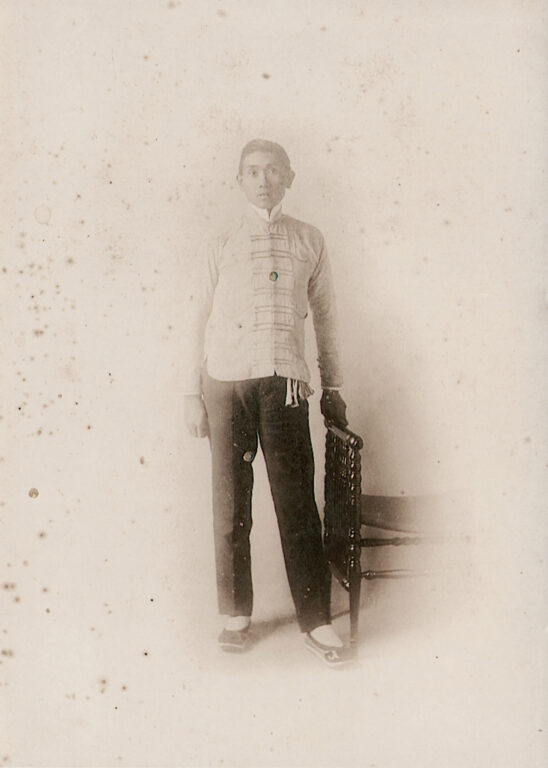
The photography exhibition celebrates the influence and lives of multiple generations of the Chan family, who lived at the Davenport House when it served as a tenement from around 1890 to 1955.
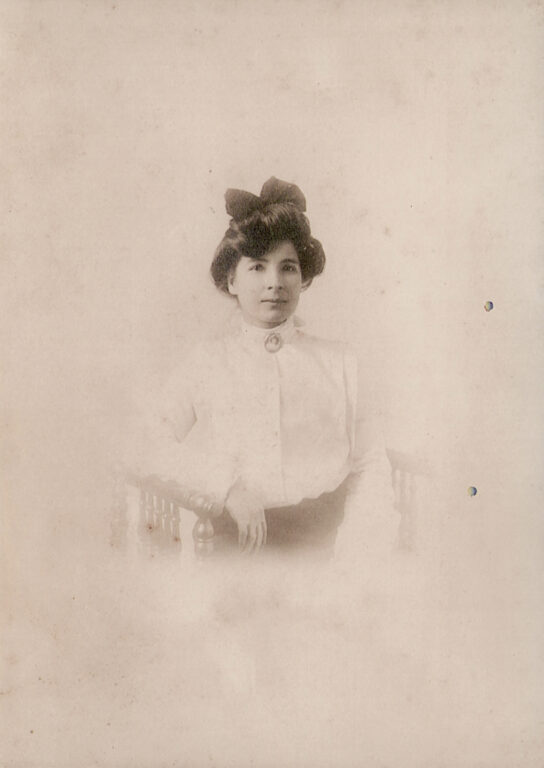
“We’re excited to expand the story of the Davenport House Museum — particularly this 20th century story with its rich history as a tenement,” says Danielle Hodes, executive director of the Davenport House Museum. “Many different people lived in the Davenport House over the years, so it has a wide range of stories to tell.”
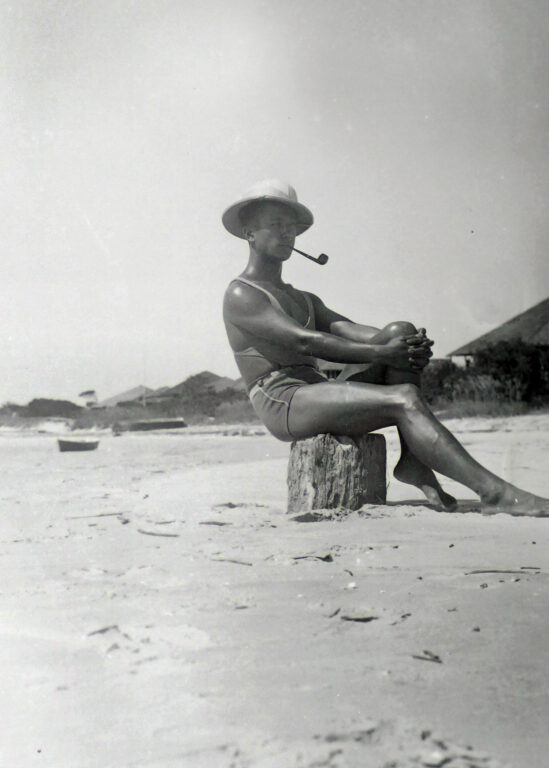
The focus of the exhibition is the Chan family, including Robert Chung (T’ai Peng) Chan, who was among the first Chinese immigrants in Savannah, and his wife, Cecilia “Annie” Lee Chan. The photographs in the exhibition belong to their granddaughter, Alexandra, whom Hodes and her team had connected with shortly after they began researching the show.
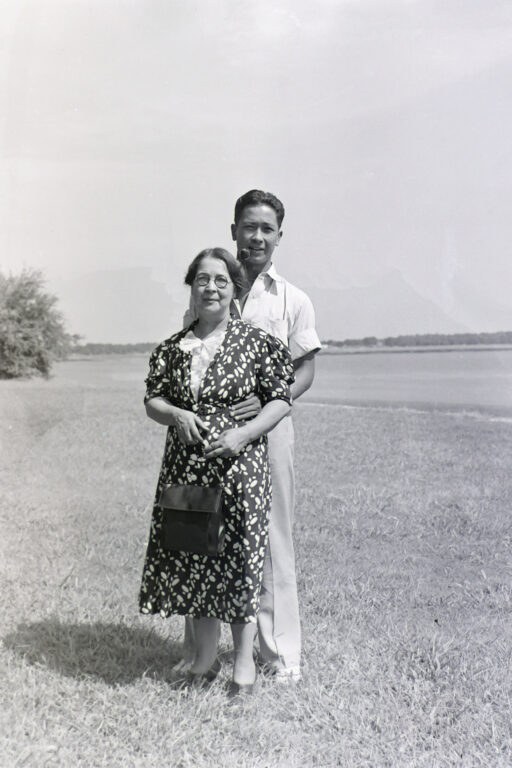
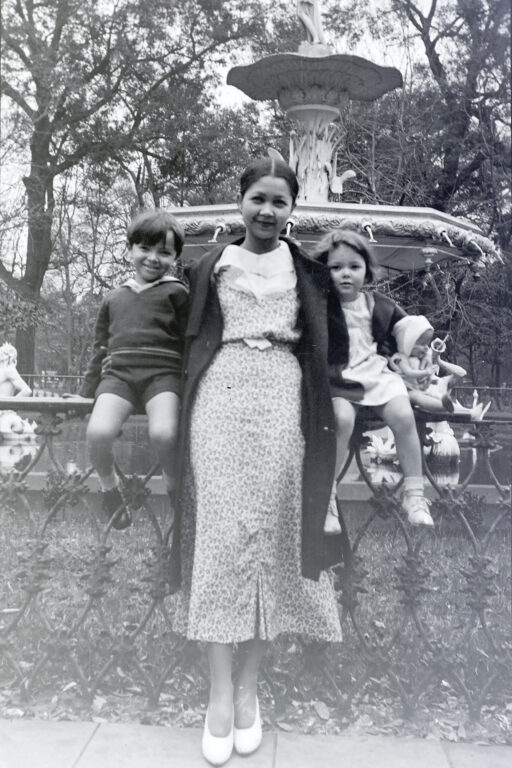
Chan’s Savannah story is one of near legend: As a young political dissident, he had fled from China to San Francisco. He came to Savannah in 1889. While in the city, the Independent Presbyterian Church caught on fire, and he helped with recovery efforts. Ultimately, Chan saw it as a sign that he should remain in Savannah, and he did for the rest of his life, becoming a patriarch of the community and co-founding the now-defunct Savannah Chapter of the Chinese Benevolent Association in 1945. While living in the Davenport House, the Chans also operated a laundry in the 1890-built building that is now known as the Historic Kennedy Pharmacy.
“This story of the Chan family and their connection to Savannah through the Davenport House is fascinating and so important to share,” Hodes says. “It’s a history that isn’t always talked about in historical institutions, but the stories of the Chan family, and so many others who lived in the house, collectively dispel part of this notion of who we think Savannahians are — and who they’ve been.”
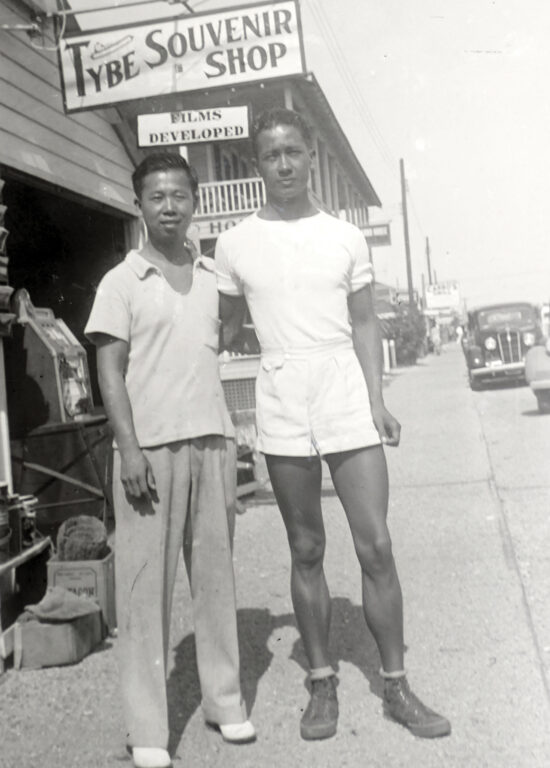
Expanding the museum’s narrative, storytelling and larger connection to Savannah is important to Hodes — as is expanding the museum’s audience, which can be reflected in programs like the Artisan Spotlight Series, which brings in local artists and creative workshops to the community, like sketching and cognitive wellness with artist and architect Ivan Chow.
“We’re looking to build relationships in the local community and to provide programs so they keep checking in with us,” Hodes says. “New exhibitions are just one of many ways that we’re looking to do that.”